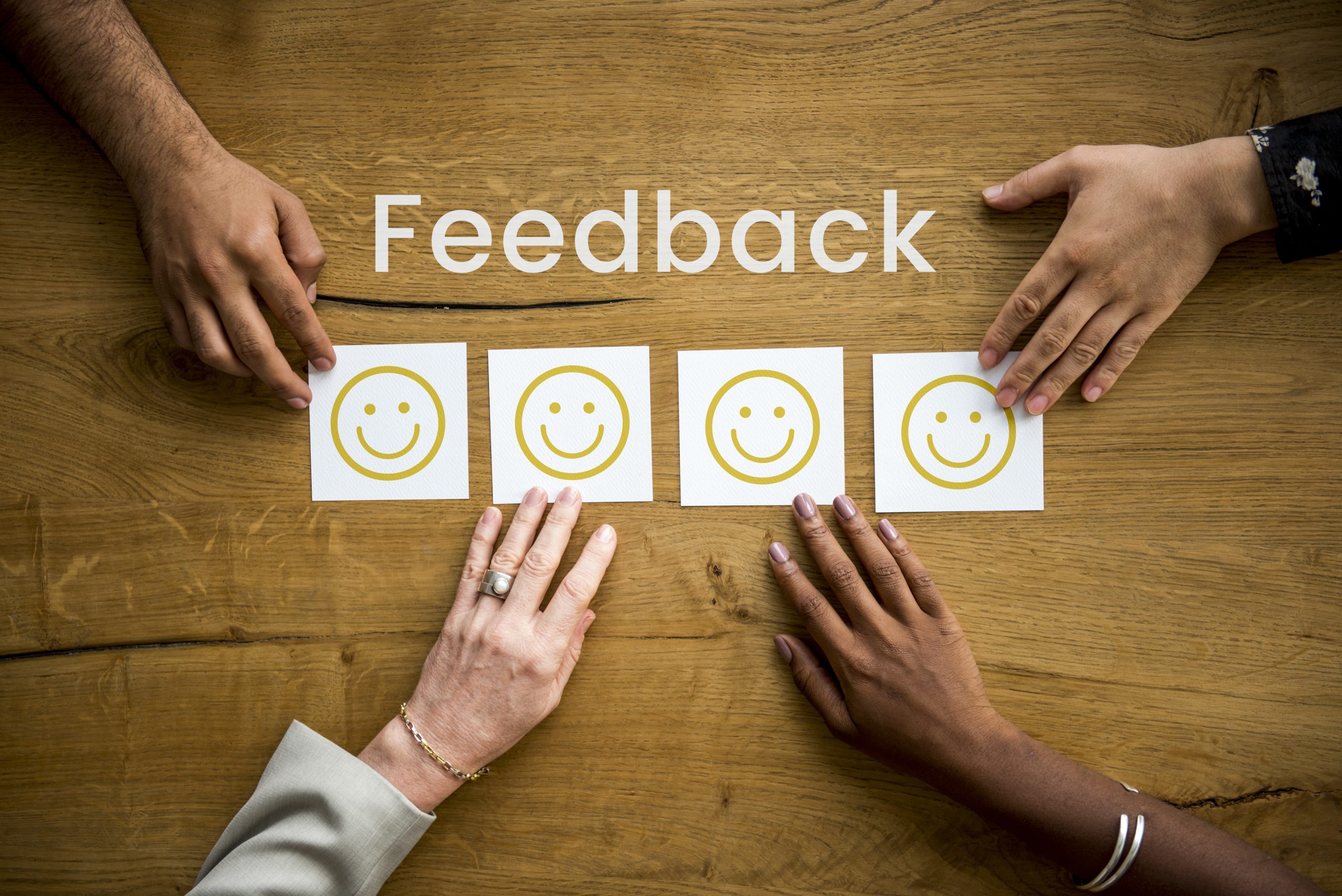
In today’s fast-paced business environment, companies are increasingly shifting from traditional annual performance reviews to continuous feedback systems. This transition is not only about improving the way employees are evaluated but also about fostering a culture of growth, agility, and collaboration.
As organizations strive to build a more responsive and dynamic workforce, integrating continuous feedback has become an essential component of training and people development strategies. Klique’s services help organizations implement these systems effectively, enabling them to provide real-time insights and development opportunities for their employees.
1. Understanding the Shift from Annual Reviews to Continuous Feedback
The traditional annual performance review has long been the standard method of evaluating employee performance. However, many companies are finding this model inadequate in today’s rapidly evolving work environments.
The infrequency of annual reviews can leave employees uncertain about their progress and goals. In contrast, continuous feedback offers a more agile approach, providing employees with real-time insights into their strengths and areas for improvement.
Continuous feedback fosters a more transparent and ongoing conversation between employees and managers. This dynamic allows employees to adapt quickly to new challenges, making it easier to pivot when necessary and stay aligned with the company’s goals.
2. Benefits of a Continuous Feedback System
One of the primary advantages of continuous feedback is the ability to identify and address performance issues early. With regular check-ins, managers can offer timely support, avoiding the frustration of employees feeling blindsided by feedback at the end of the year. This proactive approach enhances performance and enables quicker course corrections, helping employees stay on track.
Furthermore, continuous feedback promotes a growth mindset by emphasizing development over evaluation. Employees are encouraged to see feedback as a tool for self-improvement, rather than as a judgment of their abilities. This fosters a more positive work environment, where employees are more receptive to feedback and motivated to improve continually.
3. The Role of Technology in Facilitating Continuous Feedback
Technology plays a crucial role in enabling continuous feedback systems. With various software tools available, companies can streamline the process, making it easier for managers to provide regular feedback and for employees to track their progress. Tools like performance management platforms, peer reviews, and real-time communication apps can ensure that feedback is delivered seamlessly and consistently.
For example, platforms like 15Five and Lattice provide easy-to-use interfaces that enable employees and managers to share feedback, set goals, and track progress. These platforms also provide analytics that can help HR departments identify trends, spot potential issues early, and measure the effectiveness of feedback initiatives.
4. Creating a Feedback Culture Across the Organization
Building a culture of continuous feedback involves more than just setting up the right tools. It requires a shift in mindset, where feedback is viewed as an ongoing and collaborative process rather than a top-down evaluation. Leaders must model the behavior they want to see in their teams by regularly providing constructive feedback and actively seeking feedback from their employees.
Encouraging feedback at all levels helps break down hierarchical barriers and fosters open communication. In a feedback-rich environment, employees feel valued and empowered, knowing their voices are heard, and their input can lead to positive change. This sense of ownership and inclusion helps drive innovation and engagement within the team.
5. Challenges in Implementing Continuous Feedback
Despite its benefits, adopting continuous feedback presents challenges. One of the main hurdles is ensuring consistency in how feedback is given and received. Without proper training, feedback can feel disjointed or inconsistent, undermining its effectiveness. It is also important to ensure that feedback remains constructive and actionable, rather than vague or overly critical.
Companies may also face resistance from employees and managers who are used to the traditional review system. Overcoming this resistance requires clear communication about the advantages of continuous feedback and proper training to ensure everyone knows how to give and receive feedback effectively. Klique’s training and people development services can help organizations overcome these barriers by providing the necessary support and resources.
Conclusion
Building a continuous feedback culture is a powerful way for companies to remain agile, enhance performance, and develop their workforce in real-time.
By replacing outdated annual performance reviews with ongoing, constructive feedback, businesses can foster a more engaged and productive workforce. The transition may present challenges, but with the right tools and training, organizations can successfully implement continuous feedback systems.
If you’re looking to develop a continuous feedback culture in your organization, Klique’s training and people development services can guide you through the process. Contact Klique today to start building a more agile and high-performing workforce.