Managing employee benefits is a critical aspect of HR strategy that directly impacts employee satisfaction and retention. As an HR consultant, you understand the importance of offering a competitive benefits package that meets the diverse needs of your workforce.
Employee benefits go beyond mere compensation—they are key to attracting and retaining top talent. In this article, we’ll explore what employee benefits entail and provide best practices for managing them effectively.
What is Employee Benefits?
Employee benefits refer to the various forms of non-wage compensation provided to employees in addition to their regular salary. These benefits are designed to support the overall well-being of employees and can include health insurance, retirement plans, paid time off, and other perks that enhance job satisfaction.
There are several types of employee benefits, categorized into core benefits such as health and life insurance, and additional perks like flexible work arrangements or wellness programs. The specific benefits offered by an organization can vary based on factors like location, industry, and company size. However, the ultimate goal is the same: to create a comprehensive package that meets employees’ needs and aligns with the organization’s goals.
Providing a robust benefits package is essential for several reasons. First, it helps attract top talent in a competitive job market. Second, it fosters employee loyalty and reduces turnover by meeting the diverse needs of the workforce. Finally, it promotes a positive work environment where employees feel valued and supported.
7 Best Practices for Managing Employee Benefits
Effectively managing employee benefits is essential for creating a workplace where employees feel valued and supported. With a wide range of benefits options available, HR consultants must adopt best practices to ensure these offerings meet the diverse needs of the workforce.
Whether it’s customizing benefits packages or improving communication, the right strategies can enhance employee satisfaction and retention. Below, we explore seven best practices for managing employee benefits that can help you optimize your approach and create a more engaged and loyal team.
Understand Employee Needs
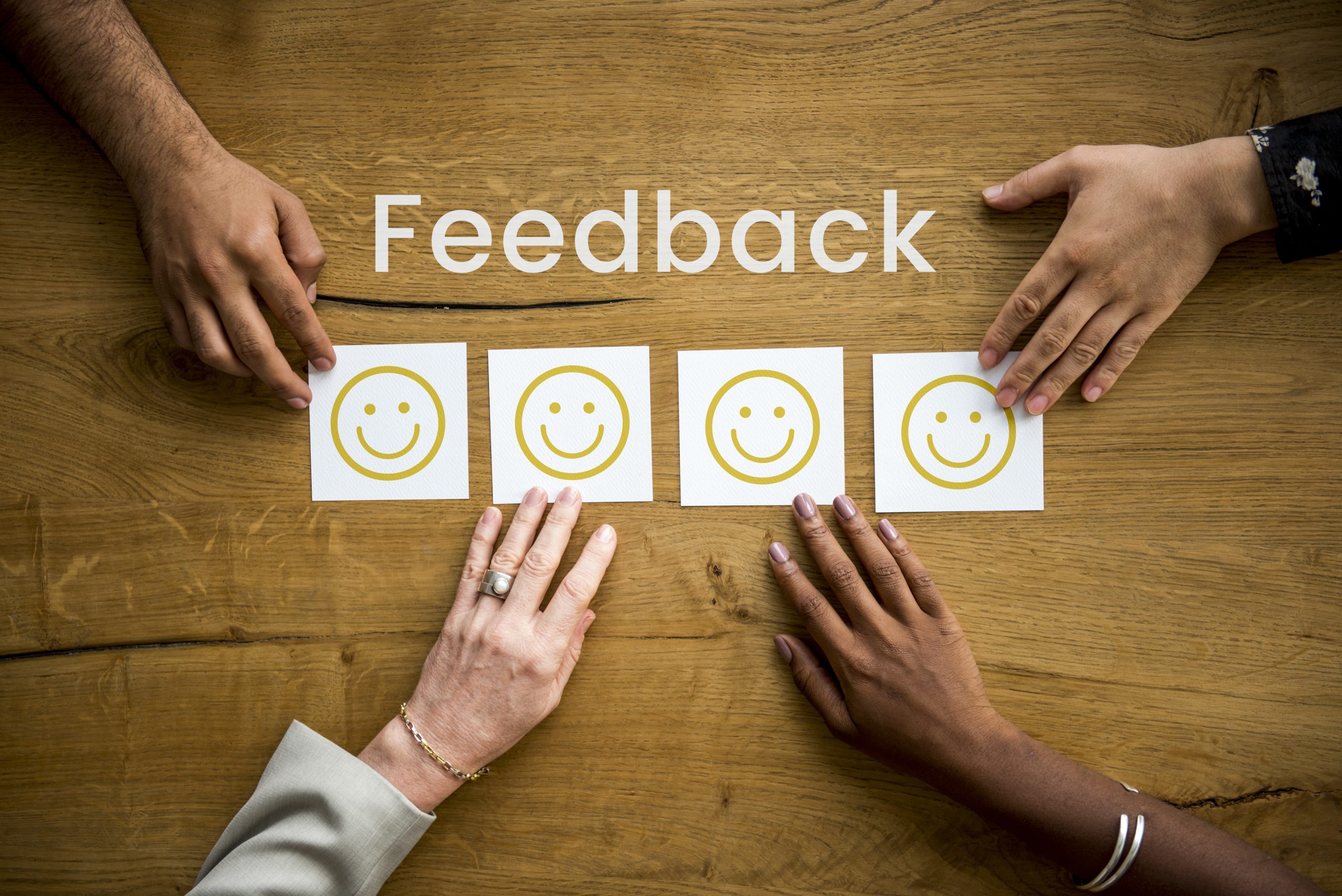
The foundation of any successful employee benefits program is understanding what your employees need and value. Conduct regular surveys and focus groups to gather feedback on the benefits currently offered and what additional perks could improve their work experience. This data-driven approach allows HR consultants to tailor benefits packages that resonate with employees, enhancing overall satisfaction and engagement.
Focus on Inclusion and Diversity
Inclusivity is crucial in benefits management. Ensure that your benefits package caters to the diverse needs of your workforce, including offering benefits that support different life stages, family structures, and personal circumstances. For example, providing parental leave for all parents, regardless of gender, or offering flexible work arrangements for those balancing caregiving responsibilities can make a significant difference in employee retention and morale.
Communicate Benefits Clearly
A common challenge in benefits management is ensuring employees are fully aware of the benefits available to them. Effective communication is key—employees should receive clear, accessible information about their benefits during onboarding and throughout their tenure. Regular updates, workshops, and Q&A sessions can help reinforce the value of the benefits offered and encourage greater utilization.
Leverage Technology for Personalization
Modern HR technology allows for the personalization of benefits, enabling employees to select options that best suit their individual needs. By offering customizable benefits packages, HR consultants can ensure that each employee derives maximum value from the benefits provided. Additionally, user-friendly platforms can streamline the enrollment process and make it easier for employees to access information and manage their benefits.
Regularly Review and Update Benefits
The needs of your workforce will evolve over time, and so should your benefits offerings. Regularly review and assess the effectiveness of your benefits package to ensure it continues to meet employee expectations and aligns with industry standards. Staying updated with trends in employee benefits can help your organization remain competitive in attracting and retaining talent.
Measure the Impact of Benefits Programs
Tracking the utilization and impact of employee benefits is essential for understanding their effectiveness. Collect data on how employees use the various benefits and gather feedback on their experiences. This information can help identify areas for improvement and ensure that the benefits offered are truly meeting the needs of your workforce.
Promote a Holistic Approach to Well-being
Employee benefits should not only focus on financial compensation but also on the overall well-being of employees. Offering wellness programs, mental health support, and opportunities for professional development can contribute to a more satisfied and productive workforce. By taking a holistic approach, HR consultants can help create a work environment that supports employees in all aspects of their lives.
Conclusion
Managing employee benefits is a dynamic and ongoing process that requires a deep understanding of employee needs, effective communication, and a commitment to inclusivity and well-being. By implementing these best practices, HR consultants can help organizations create benefits packages that attract, retain, and support their workforce, ultimately driving long-term success.
Transform your employee benefits strategy with Klique’s expert HR solutions. Elevate satisfaction, retention, and engagement across your workforce. Partner with Klique today and start building a stronger, more motivated team!
References:
- https://www.forbes.com/sites/forbeshumanresourcescouncil/2023/09/11/19-best-practices-for-managing-employee-benefits-and-compensation/
- https://www.aihr.com/blog/types-of-employee-benefits/
https://www.vantagecircle.com/en/blog/employee-benefits/