Managing a workforce that spans multiple generations is an increasing challenge for HR Consultants. A multigenerational workforce not only involves age differences but also encompasses diverse cultural backgrounds and experiences. Therefore, it is crucial to have the right strategies to manage these differences so that every employee can work harmoniously and productively.
1. Identify Age Stereotypes
Addressing age stereotypes in the workplace is essential to maximizing employee potential. Older generations are often perceived as less capable than younger ones, but in reality, they possess valuable experience and skills. Recognizing and eliminating these stereotypes can create a more inclusive work environment.
The first step is to educate management and employees about the dangers of age stereotypes. Training and workshops can help raise awareness and change negative perceptions.
Additionally, creating policies that support age diversity, such as mentoring programs, can promote intergenerational collaboration and reduce stereotypes.
2. Encourage Multigenerational Teams
Combining employees from different generations in one team can bring diverse and innovative perspectives. This also helps in building mutual respect and understanding among employees.
Managers can form teams based on development needs, skills, and work style preferences. Ensuring that every team member feels heard and valued is key to minimizing potential conflicts.
Regular team-building activities can also strengthen bonds and cooperation among team members from different generations.
3. Effective Communication
Effective communication is crucial in managing a multigenerational workforce. Each generation has different communication preferences, so it is important to use a variety of inclusive communication methods.
Managers should ensure that information is clearly conveyed and accessible to all employees. Utilizing appropriate technology and providing communication training can help achieve this goal.
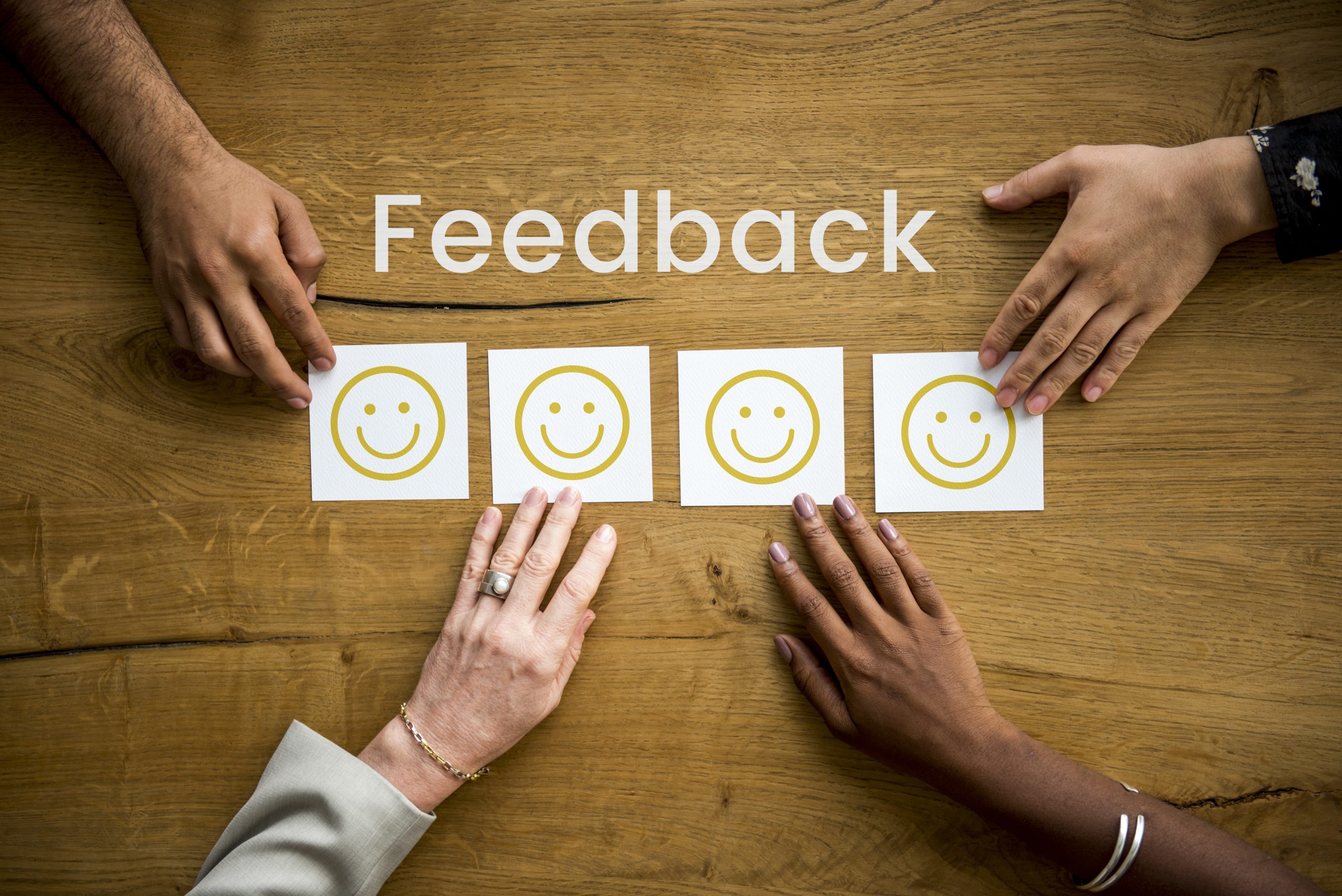
Encouraging two-way feedback and creating open communication channels can also enhance employee engagement across all generations.
4. Promote Knowledge Sharing
Intergenerational knowledge sharing is a key strategy in managing a multigenerational workforce. Mentoring programs where senior employees guide younger ones, and vice versa, can facilitate the transfer of knowledge and skills.
Regular knowledge-sharing sessions, in the form of presentations or group discussions, can further facilitate intergenerational learning.
This way, employees can learn from each other’s experiences and perspectives, enhancing innovation and efficiency in the workplace.
5. Adjust Management Styles
Each generation has different management style preferences. HR Consultants need to recognize and adapt their management styles to meet the needs and expectations of each generation.
Flexible and adaptive managers can help create a more harmonious and productive work environment. They should be able to identify what motivates each generation and adjust their approach accordingly.
Management training focused on handling a multigenerational workforce can help managers develop these skills.
6. Provide Recognition and Rewards
Appropriate recognition and rewards can boost the motivation and engagement of employees from all generations. Each generation may have different preferences for how they want to be recognized.
HR Consultants should design recognition programs that meet the needs of various generations. This can include formal rewards such as bonuses and promotions, or informal rewards such as praise and public acknowledgment.
In this way, employees feel valued and motivated to contribute their best.
7. Continuous Training and Development
Ongoing training and development are crucial for retaining and growing a multigenerational workforce. Each generation may have different training needs, so it is important to offer a variety of training programs.
HR Consultants should ensure that the training provided is relevant and beneficial to employees from all generations. Using different training methods, such as online and face-to-face training, can help achieve this goal.
Effective training programs can enhance employee skills and knowledge, as well as improve job satisfaction and retention.
8. Flexible Work Policies
Flexible work policies can help meet the needs of employees from various generations. Some generations may prefer flexible schedules or remote work options.
HR Consultants should design work policies that can accommodate these needs while ensuring productivity and efficiency.
Providing flexibility can increase employee satisfaction and work-life balance, which in turn can improve employee retention.
9. Manage Intergenerational Conflicts
Intergenerational conflicts can arise in the workplace, but HR Consultants must be able to effectively manage and resolve these conflicts.
Conflict management training and open communication channels can help identify and resolve conflicts before they become major issues.
Encouraging open dialogue and understanding among generations can also help create a more harmonious and productive work environment.
10. Build an Inclusive Work Culture
An inclusive work culture is key to managing a multigenerational workforce. HR Consultants must ensure that all employees feel valued and accepted, regardless of their generation.
Creating policies and practices that support inclusion and diversity can help achieve this goal. Hosting events and activities that promote diversity and inclusion can also strengthen an inclusive work culture.
By building an inclusive work culture, companies can create a harmonious and productive work environment where all employees can work well together.
Conclusion
Managing a multigenerational workforce requires a wise and inclusive approach. By implementing the right strategies, HR Consultants can create a harmonious and productive work environment where every generation feels valued and motivated to give their best contribution. The key to success lies in the ability to understand and leverage the unique strengths of each generation.
Unlock the full potential of your multigenerational workforce with Klique’s expert HR consulting services. Our tailored strategies and solutions will help you create a harmonious and productive work environment, ensuring every generation feels valued and motivated.
Ready to transform your workplace? Contact Klique today and discover how we can help you bridge the generation gap and foster a culture of inclusivity and collaboration!
References:
- https://www.tal.sg/tafep/resources/articles/2019/tips-on-managing-a-multi-generational-workforce
- https://www.contactmonkey.com/blog/managing-multigenerational-workforce