In today’s fast-paced and ever-evolving work environment, training and people development have become more crucial than ever. With the rapid advancements in technology and shifting market demands, employees must stay updated with the latest industry trends and skills to remain competitive.
This article delves into the significance of continuous learning in the workplace, exploring its benefits for both employees and organizations, and providing strategies to foster a culture of ongoing development.
Embracing Continuous Learning for Career Advancement
Continuous learning is a vital aspect of maintaining relevance in today’s fast-paced work environment. It enables employees to stay updated with the latest industry trends and technologies, ensuring that their skills remain sharp and competitive. Engaging in continuous learning fosters personal and professional growth, which can lead to greater job satisfaction and career advancement.
Employers benefit significantly from encouraging a culture of continuous learning. It not only boosts employee morale but also enhances productivity and innovation within the organization. Employees who are committed to learning are more likely to come up with creative solutions and adapt to changes more readily. This adaptability is crucial in a constantly evolving market where new challenges and opportunities arise frequently.
Moreover, continuous learning helps in bridging the skill gaps within the workforce. By providing opportunities for skill development, companies can ensure that their employees possess the necessary competencies to meet organizational goals. This proactive approach to learning and development also helps in employee retention, as individuals are more likely to stay with companies that invest in their growth and career progression.
Developing a Learning Culture: Strategies for Success
Creating a learning culture within an organization requires a strategic approach. One effective strategy is to offer various learning opportunities such as workshops, seminars, and online courses. These platforms provide employees with the flexibility to learn at their own pace and according to their interests and career goals. Providing a variety of learning opportunities allows organizations to accommodate various learning styles and preferences.
Mentorship programs are another valuable tool in fostering continuous learning. Pairing employees with experienced mentors allows for knowledge transfer and skill development in a more personalized setting. Mentors can provide guidance, support, and valuable insights that help mentees navigate their career paths and overcome professional challenges. This relationship can be mutually beneficial, as mentors also gain new perspectives and stay engaged in their own continuous learning journey.
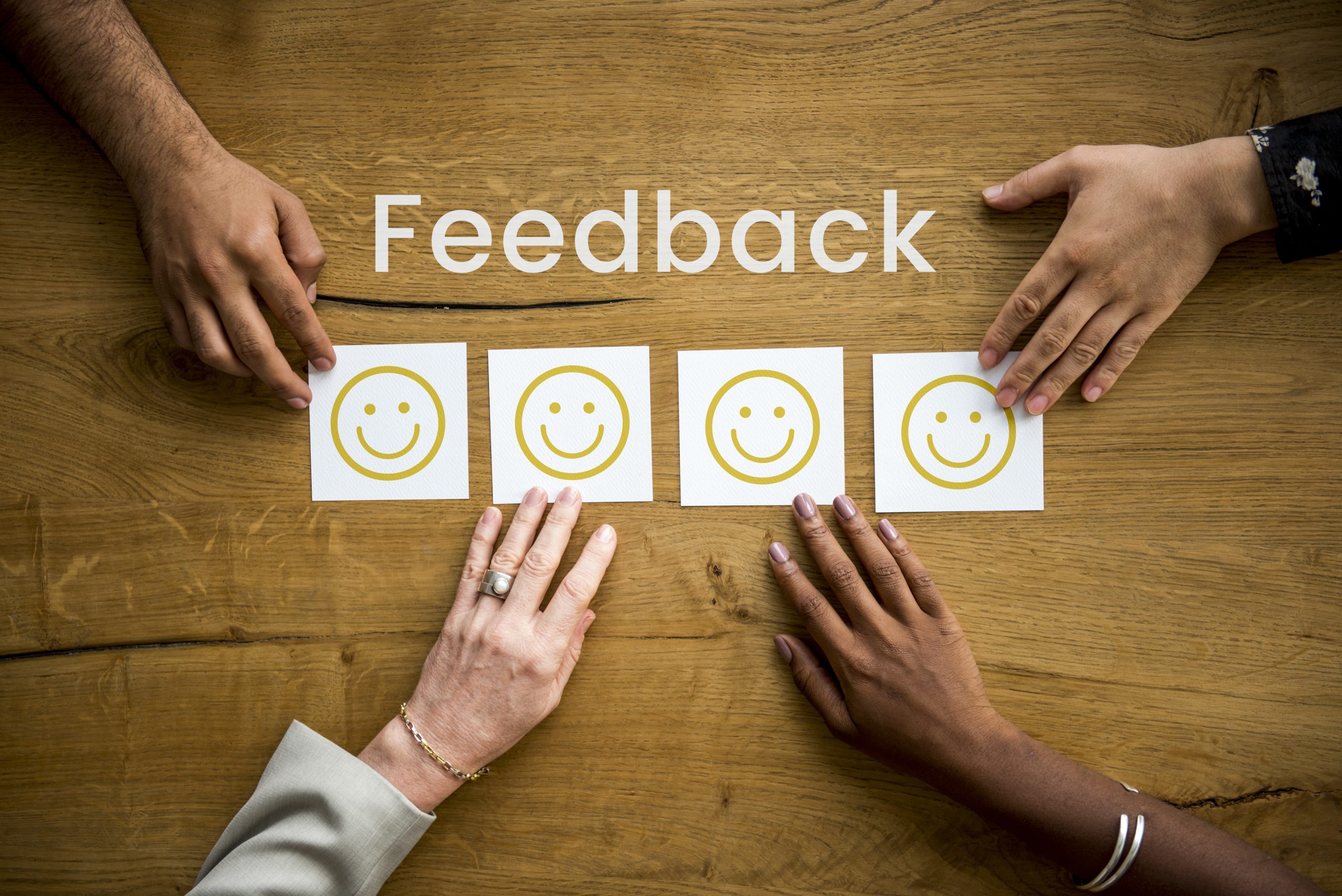
Regular feedback and performance reviews are also essential components of a learning culture. Constructive feedback helps employees identify areas for improvement and set achievable goals for their professional development. Encouraging a growth mindset, where mistakes are seen as learning opportunities, further reinforces the importance of continuous learning and development.
Leveraging Technology for Continuous Learning
In the modern digital era, technology is crucial in enabling ongoing learning. E-learning platforms and mobile applications have made education more accessible than ever before. Employees have access to abundant information and resources at their fingertips, enabling them to acquire new skills and expand their knowledge at any time and from any place.
Gamification is another innovative approach to promote learning and engagement. By incorporating game-like elements such as points, badges, and leaderboards into learning activities, organizations can make the learning process more enjoyable and motivating. Gamification not only increases participation but also encourages healthy competition and collaboration among employees.
Additionally, leveraging data analytics can help in tracking learning progress and measuring the effectiveness of training programs. By analyzing data on employee performance and engagement, organizations can identify which learning strategies are most effective and make data-driven decisions to improve their learning and development initiatives. This continuous improvement cycle ensures that learning programs remain relevant and impactful.
Conclusion
Ongoing learning and development are vital for both employees and organizations to succeed in today’s competitive environment. By embracing a culture of continuous learning, providing diverse learning opportunities, and leveraging technology, companies can ensure their workforce remains skilled, adaptable, and innovative. Investing in employee growth not only drives individual career advancement but also propels organizational success.
Ready to elevate your career and stay ahead in today’s competitive job market? Embrace continuous learning with Klique! Our platform offers a wide range of courses, mentorship programs, and resources to help you develop the skills you need to thrive. Join Klique today and start your journey towards professional growth and success.
References:
- https://www.shrm.org/membership/students/importance-of-continuous-learning-development
- https://moodle.com/news/the-importance-of-continuous-learning-in-the-workplace/
https://www.workramp.com/blog/continuous-learning/